


Autumn Budget 2026: What It Means for You
The Autumn Budget 2026, delivered on 28 October 2026 by Chancellor John Healey, leaves income tax, National Insurance and VAT rates unchanged — but it raises tax on property and savings income, cuts the Business Asset Disposal Relief limit to £500,000 and raises the trading allowance to £3,000. Most changes take effect on 6 April 2027.
This summary covers the measures that matter most to individuals, landlords and business owners. If you want the full detail, download our free Autumn Budget 2026 guide from our homepage — it runs to 16 pages and covers every announcement in plain English.
What changed in the Autumn Budget 2026?
It was the Chancellor’s first Budget, and the first of Prime Minister Andy Burnham’s government. The government kept its promise not to raise the rates of income tax on working people, National Insurance or VAT, and there were no changes to capital gains tax rates. The tax rises fall mainly on property and savings income, and on business owners selling their businesses — while savers were given good news on cash ISAs, and employers and employees were given certainty on pay and mileage rates. Some measures still need to be passed into law, so the detail may change. The table below gives the headline changes at a glance.
| Measure | What changes | From |
|---|---|---|
| Income tax on property and savings income | 24% basic rate, 44% higher rate, 49% additional rate | 6 April 2027 |
| Personal allowance | Stays at £12,570, frozen until April 2031 | — |
| Business Asset Disposal Relief | Lifetime limit falls from £1 million to £500,000 | 6 April 2027 |
| Trading allowance | Rises from £1,000 to £3,000 a year | 6 April 2027 |
| Cash ISA limit | Stays at £20,000 | — |
| National Living Wage | Rises to £13.21 an hour (age 21 and over) | 1 April 2027 |
| Mileage above 10,000 miles | Rises from 25p to 35p a mile | 6 April 2027 |
| Main-rate writing-down allowance | Falls from 14% to 12% | 1 April 2027 (companies), 6 April 2027 (others) |
| Main-rate first-year allowance | Rises from 40% to 50% | Spending from 1 January 2027 |
| Direct Debit for VAT and PAYE | A Direct Debit instruction will be required | April 2029 |
Will my income tax go up?
For most people, no. The rates of income tax on employment and self-employment income are unchanged, and your tax-free personal allowance stays at £12,570. The allowance and the income tax thresholds will stay frozen until April 2031, so a pay rise can still push more of your income into a higher band.

The change that will affect many readers is on property and savings income. From 6 April 2027, tax on property income (such as rent) and savings income will rise by two percentage points in every band — to 24% at the basic rate, 44% at the higher rate and 49% at the additional rate. Dividend tax rates are unchanged.
One detail worth knowing: the personal allowance is tapered away on adjusted net income, not on your gross income. It starts to reduce once your adjusted net income passes £100,000, and it is fully withdrawn once it reaches £125,140. Adjusted net income is broadly your total income after deducting pension contributions and Gift Aid donations — so pension contributions can help protect your allowance.
If you would like advice on how the Budget affects your own tax, our personal tax accountants in Birmingham can help.
What is happening to National Insurance?
The rates of National Insurance are unchanged, and the main thresholds — the primary threshold of £12,570 and the upper earnings limit of £50,270 — stay frozen until 2031. Two smaller figures do rise from 6 April 2027: the employee Lower Earnings Limit rises to £133 a week (£6,916 a year), and the self-employed Small Profits Threshold rises to £7,355. Voluntary Class 2 contributions rise to £3.80 a week.
Looking further ahead, from 2029 the National Insurance relief on salary sacrifice into pension schemes will be capped at the first £2,000 of pension contributions per person. If you run a salary sacrifice scheme, it is worth reviewing it well before then.
If you would rather not handle it yourself, our payroll services cover National Insurance, reporting and deadlines for small businesses.
I am a landlord — what does the Budget mean for me?
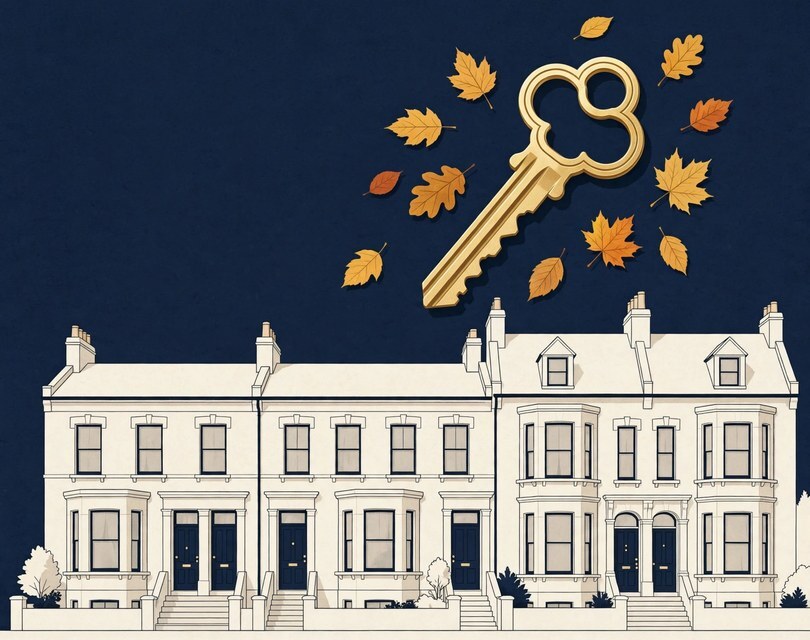
This is the group most affected by the Budget. From 6 April 2027, rental income will be taxed at the higher rates of 24%, 44% and 49% instead of 20%, 40% and 45%. For many landlords that is the largest single tax rise in this Budget, and it is worth working out what it means for your rental profits before April.
There is also a change for farming and business families: from 6 April 2026, agricultural property relief and business property relief give 100% relief only on the first £2.5 million of combined agricultural and business property, with 50% relief on the value above that. The unused part of the £2.5 million allowance can be transferred between spouses and civil partners, so a couple can pass on up to £5 million between them.
Our property accountants in Birmingham can work out what the new rates mean for your rental profits.
I run a business — what should I plan for?
If you are thinking of selling your business, timing matters more than ever. From 6 April 2027, the lifetime limit for Business Asset Disposal Relief falls from £1 million to £500,000 of qualifying gains — and gains on which you have already claimed the relief count towards that £500,000. If you are planning a sale, please talk to us before 6 April 2027, as the timing could make a significant difference to the tax payable.
There is a new relief to watch: Founders’ Relief will charge capital gains tax at 10% on lifetime gains of up to £10 million for qualifying founders, on disposals made on or after 6 April 2027. The government is consulting on the detail, and the consultation closes on 30 November 2026.
For smaller businesses, the trading allowance rises from £1,000 to £3,000 a year from 6 April 2027. If your trading income is below the allowance, you do not need to report it or pay tax on it — but if your actual expenses are higher than the allowance, claiming those instead may leave you better off.
On investment, the main-rate first-year allowance rises from 40% to 50% for spending from 1 January 2027, while the main-rate writing-down allowance falls from 14% to 12% from April 2027. Full expensing and the £1 million annual investment allowance both continue. And from April 2027, the Making Tax Digital for Income Tax threshold falls to £30,000, so more sole traders and landlords will need to keep digital records and send quarterly summaries to HMRC.
Our bookkeeping services keep your records digital and ready for Making Tax Digital.
If you are a sole trader, our sole trader accountants can set up your digital records for you.
Two administrative changes to plan for: from 6 April 2027, reporting and paying tax on benefits in kind through payroll software becomes mandatory for company cars, vans, fuel and medical benefits. And from April 2029, businesses will need a Direct Debit instruction in place for VAT and PAYE return liabilities — you will still be able to pay by another method before the due date, and the Direct Debit is a safeguard so HMRC can collect anything left unpaid.
If you run a limited company, our accountants for limited companies in Birmingham can help you plan around the new rules.
What about savings and pensions?
Savers were given good news: the cash ISA limit stays at £20,000 a year. A £12,000 cash limit announced in last year’s Budget will not now go ahead. Dividend tax rates are unchanged, and the £500 dividend allowance stays.
On pensions, from 6 April 2027 most undrawn pension funds and death benefits will be included in the value of a person’s estate for inheritance tax purposes. A new targeted Pension Tax Allowance will apply from 6 April 2027 to 5 April 2030 — please talk to us for the detail, as the conditions are still being finalised.
If you would like advice on your pension and inheritance tax position, our personal tax accountants can help.

When do the Budget changes take effect?
- 30 November 2026 — the Founders’ Relief consultation closes.
- 1 January 2027 — the main-rate first-year allowance rises to 50%.
- 1 April 2027 — the National Living Wage rises to £13.21 an hour, and the writing-down allowance falls to 12% for companies.
- 6 April 2027 — most measures take effect: property and savings income tax at 24%, 44% and 49%; the Business Asset Disposal Relief limit falls to £500,000; the trading allowance rises to £3,000; mileage above 10,000 miles rises to 35p; the National Insurance Lower Earnings Limit and Small Profits Threshold rise; payrolling benefits in kind becomes mandatory; and pensions come into inheritance tax.
- 30 June 2027 — 0% VAT on domestic electricity and the 5p cut in fuel duty both end.
- April 2029 — Direct Debit instructions for VAT and PAYE, and more regular Self Assessment payments during the year.
Frequently asked questions
On 28 October 2026, by Chancellor John Healey. It was his first Budget, and the first Budget of Prime Minister Andy Burnham’s government.
No. The rates of income tax on employment and self-employment income are unchanged. But from 6 April 2027, income tax on property and savings income rises to 24% at the basic rate, 44% at the higher rate and 49% at the additional rate.
£500,000 of qualifying gains over your lifetime, for disposals made on or after 6 April 2027 — down from £1 million. Gains on which you have already claimed the relief count towards the £500,000 limit.
£3,000 a year, up from £1,000. If your trading income is below the allowance, you do not need to report it or pay tax on it.
Download our free 16-page Autumn Budget 2026 guide from the Naseems Accountants homepage — click “Download The Autumn Budget 2026”.
Written by Naseems Accountants — chartered certified accountants, Birmingham, since 1978.
Last updated: 25 November 2026. Some measures announced in the Budget still need to be passed into law, and the detail may change.
If you would like to know how the Budget affects you, book a free consultation and we will talk it through with you.






Sorry, the comment form is closed at this time.